How to Choose the Right MBA College in Pune for HR Specialisation

Human Resources has moved far beyond hiring and payroll. Today, HR leaders shape culture, manage change, drive performance, and influence business strategy. If you plan to build a long-term career in this space, choosing the right MBA college becomes a critical decision, especially in a city like Pune that is known for its strong academic ecosystem.
This guide breaks down how to evaluate colleges in a practical way, so your choice supports both learning and career growth.
Understand What an HR-Focused MBA Should Offer
Before shortlisting colleges, be clear about what you expect from an HR program. A strong HR-focused MBA blends theory with real-world application.
Curriculum Depth and Relevance
Review the course structure carefully. The program should cover core HR areas such as talent acquisition, learning and development, performance management, industrial relations, and compensation strategy. Look for newer subjects like people analytics, diversity and inclusion, and organizational design.
Exposure to mba in human resource management should feel aligned with how modern workplaces operate, not limited to outdated models.
Balance Between Theory and Practice
Case studies, simulations, role plays, and live projects help translate classroom concepts into workplace skills. Colleges that integrate these elements prepare students better for real HR challenges.
Evaluate Faculty and Industry Exposure
Faculty Experience
Faculty members with industry backgrounds often bring practical insights into classroom discussions. Their experience helps bridge the gap between academic frameworks and actual HR decision-making.
Check faculty profiles, published research, and involvement in consulting or corporate training.
Industry Interaction
Guest lectures, workshops, and corporate interactions add significant value. Regular engagement with HR leaders helps students understand current hiring trends, labor laws, and workplace dynamics.
Assess Internships and Live Projects
Internships are a strong indicator of how industry-ready a program is. HR roles require hands-on exposure to employee engagement, recruitment processes, and policy implementation.
Look for colleges that:
- Offer structured summer internships
- Support live HR consulting projects
- Encourage research-based organizational studies
These experiences strengthen resumes and improve placement readiness.
Placement Outcomes and Alumni Network
Placement Transparency
Review placement reports carefully. Focus on roles offered, sectors hiring, and average career progression rather than just headline salary figures.
Many reputed mba colleges pune place students across consulting firms, IT services, manufacturing companies, and large corporates for HR roles.
Alumni Strength
An active alumni network supports mentorship, referrals, and long-term career guidance. Alumni working in senior HR roles reflect the credibility of the program.
Campus Culture and Peer Learning
HR professionals work closely with people, so peer learning matters. A diverse batch with students from different academic and professional backgrounds improves classroom discussions and group projects.
Also evaluate clubs, HR forums, and student-led initiatives that promote leadership and collaboration.
Accreditation and Institutional Reputation
Accreditations and institutional legacy add credibility to your degree. They also influence recruiter confidence.
Programs with a consistent academic track record and strong governance structures often maintain higher teaching standards and industry trust.
Conclusion: Making a Confident Choice
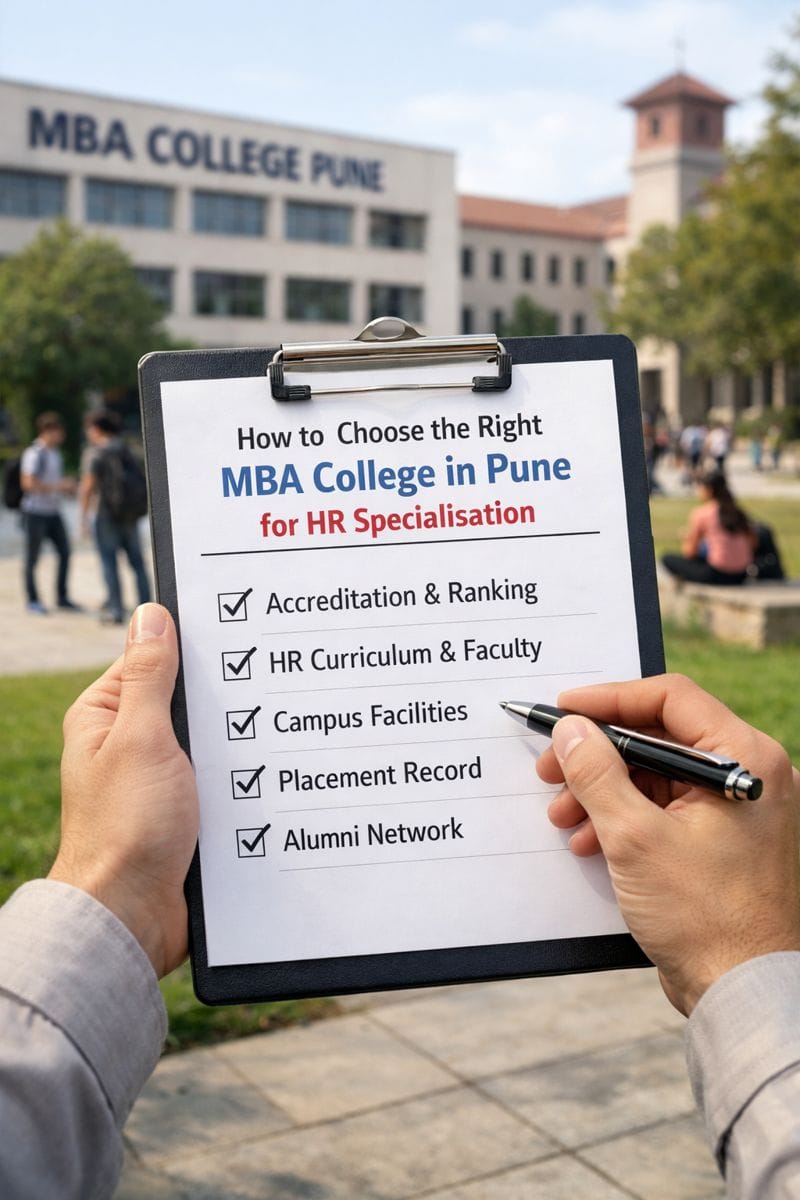
Choosing the right MBA college for HR specialisation requires more than comparing rankings. It involves understanding curriculum relevance, faculty strength, industry exposure, and long-term career support.
Institutes like SCMHRD focus on structured HR education, leadership development, and industry alignment. Such environments help students grow into confident HR professionals who can handle complex people and business challenges.
Take time to evaluate your options, speak to alumni, and align your decision with where you want your HR career to go. The right choice today shapes your professional impact tomorrow.